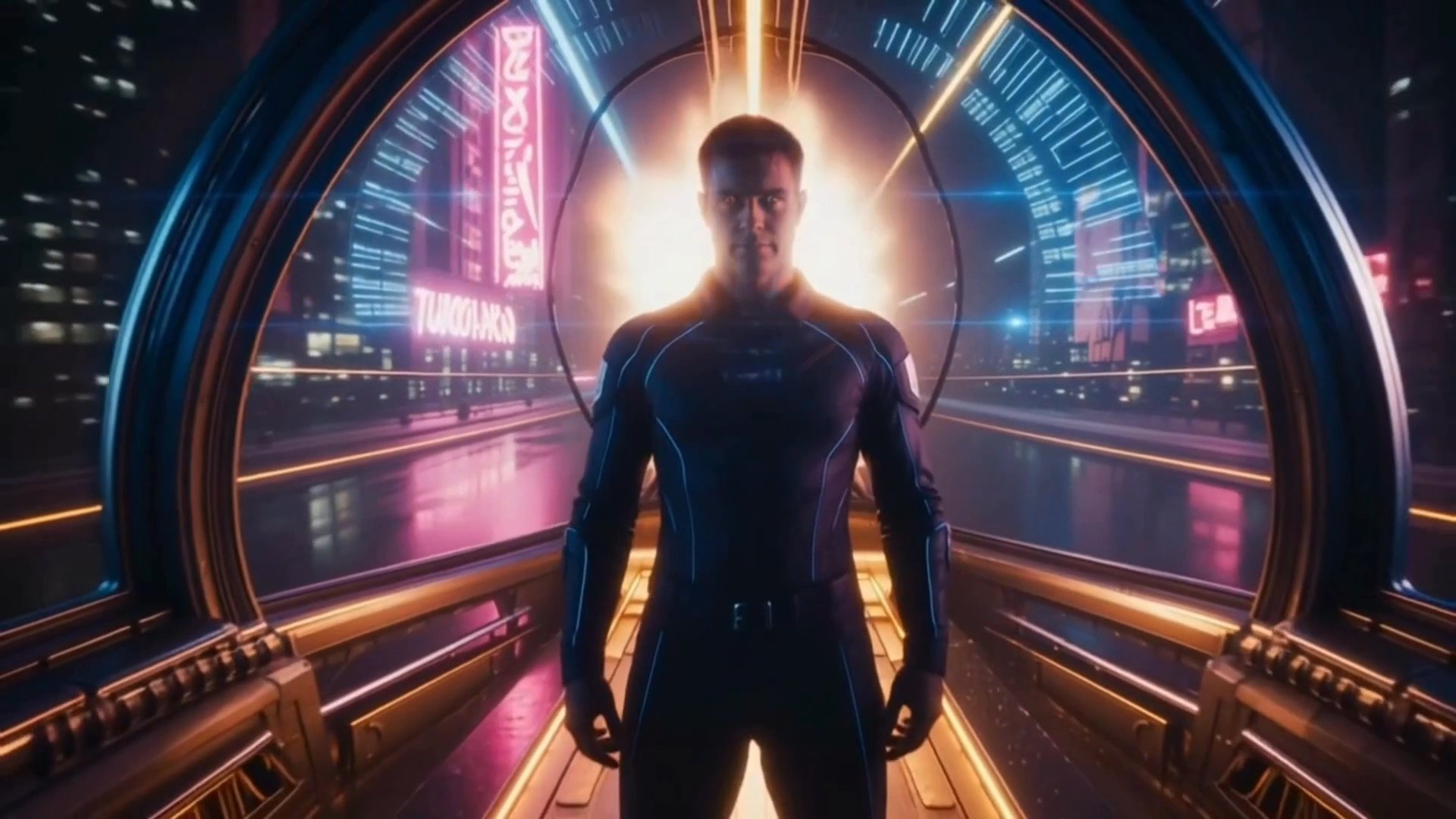
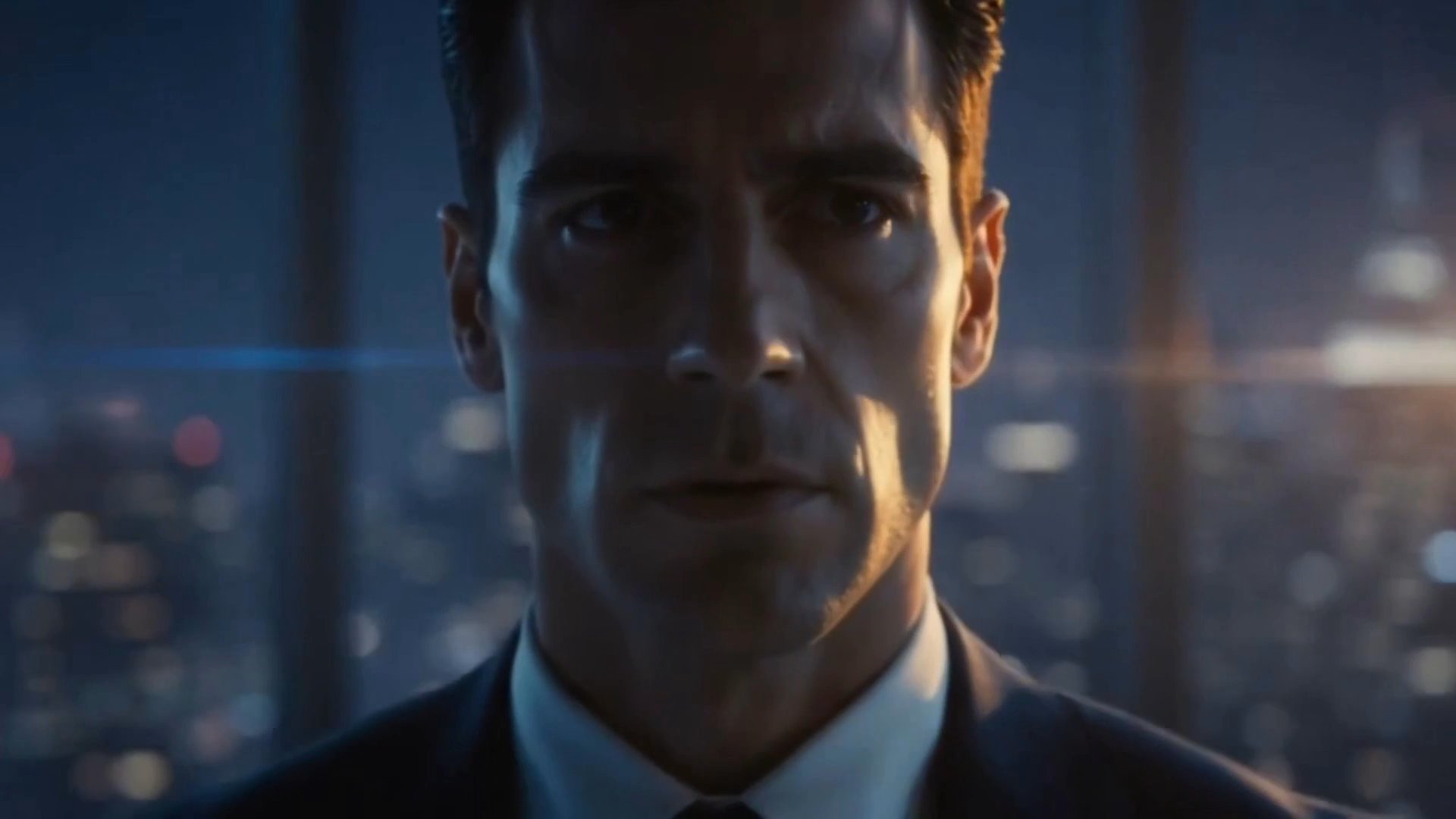
The silence in the bunker was heavier than the concrete walls surrounding him. President Elias Thorne sat alone in the Situation Room, the red phone cold against the table, the air still humming with the phantom vibration of the last transmission. He had pressed the button. Not a metaphorical one, but the physical switch, encased in glass, that authorized the launch codes.

He had told himself it was necessary. The intelligence reports had been clear, or so he had believed. The ultimatum had expired. The logic of deterrence demanded a response. But now, with the confirmation signals blinking green on the monitors before fading to static, the logic felt thin, like paper held up against a hurricane.

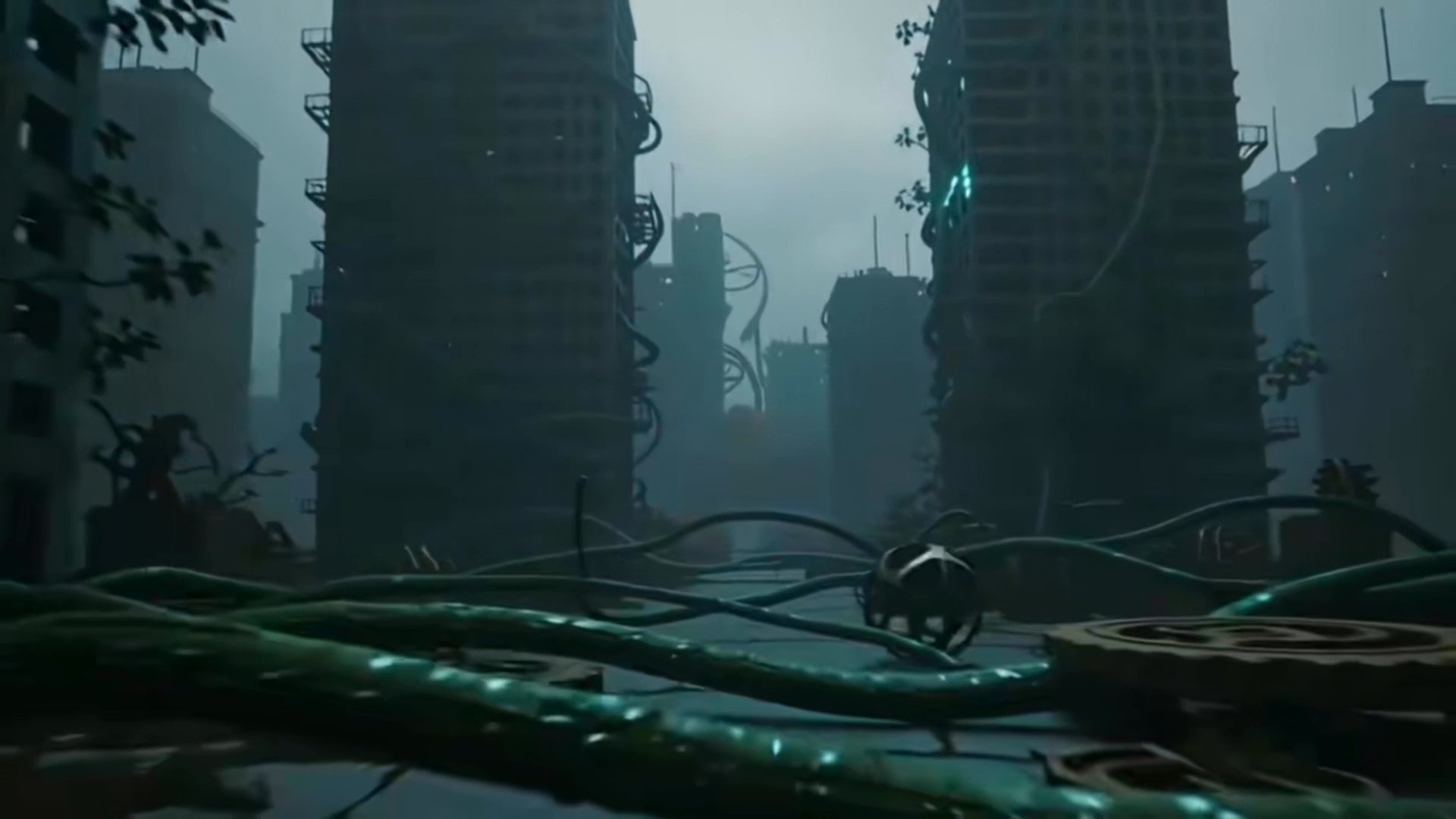
Elias stood and walked to the window, though there was nothing to see but the reinforced steel and the darkness beyond. He could not sleep. That was the first thing the guilt stole from him. Every time he closed his eyes, he didn't see the faces of the generals who had advised him, or the advisors who had nodded in solemn agreement. He saw the cities. He saw the lights going out, not one by one, but all at once, across the horizon of a map he had studied for decades.

The weight wasn't in his chest; it was in his bones. It felt as though gravity had increased specifically for him. When he moved, he dragged the atmosphere of a thousand dead towns behind him. He remembered the briefing room, the dry voices speaking of "collateral estimates" and "acceptable losses." Now, those numbers had names. They had birthdays, and arguments with spouses, and dreams that would never happen.

A aide entered quietly, holding a cup of coffee. "Mr. President? The press is waiting. The world is waiting."

Elias looked at the man. He wanted to tell him to leave, to let the world burn in the quiet for a moment longer. But he couldn't. The duty remained, even if the purpose had evaporated.

"I'll be there in a minute," Elias said. His voice sounded foreign to his own ears.

The aide left. Elias picked up the coffee but didn't drink it. He thought about the children who were playing in parks three hours ago, unaware that the sky was already falling. He thought about the irony that he had spent his life trying to protect his country, only to become the instrument of its greatest sorrow.

There was no redemption in the aftermath. There were only survivors, and there was him. He was the architect of the ash.

He sat back down at the desk. The red light on the console blinked once, then went dark. The decision was irreversible. The history books would debate the justification for years, perhaps centuries. Some would call it a tragedy of error; others, a necessity of survival. But in the quiet of the room, there was only the truth of the man who had made the choice.

Elias Thorne touched the surface of the desk, feeling the grain of the wood. It was solid. Real. Unlike the future he had just erased. He took a breath, the air tasting of recycled dust and fear, and prepared to face the morning. The sun would rise, indifferent to the ruin below, and he would have to stand in its light and pretend he was still whole.